LIGHTSEY FAMILY SCHOLARSHIP HISTORY
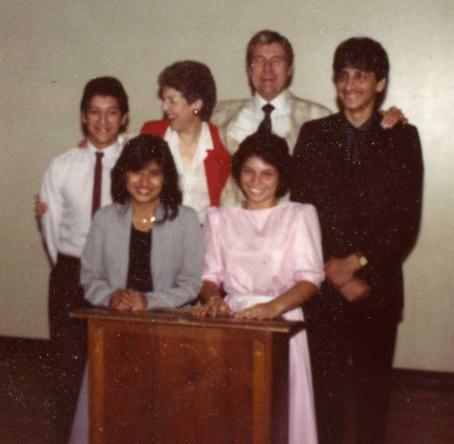
In 1984, Captain and Mrs. T. N. Lightsey, Jr. attended a Harrisburg Rotary Club meeting held at Ripley House. While there, they were inspired by the dedication of the students participating in Nellie Fragra’s Ballet Folklorico, and the parents who came to support their children. Capt. and Mrs. Lightsey decided they wanted to help one of these students go to college, and asked Felix Fraga, director of Ripley House, to recommend worthy students. Mr. Fraga recommended a dozen students for them to interview. The plan was to choose one student for a scholarship, which Tom and Betty would personally fund, and would be administered by Ripley.
Betty and Tom put together an interview committee consisting of themselves and three Harrisburg Rotary leaders from the East End neighborhood: Felix Fraga; Paul Jury, a bank president raised in the area; and Ernie Baker, long-time principal of Austin High School. The committee could not narrow it down to one student. Four of the fifteen interviewed greatly impressed them with their drive and determination to succeed, in spite of their severe financial circumstances. The committee left it to Betty and Tom to select one from these final four. Tom, in turn, delegated this difficult decision to Betty. After many long hours spent poring over the applications, carefully laboring over each individual’s qualifications and considering their needs, Betty simply could not decide either. Finally, Tom and Betty decided to award scholarships to all four for their first year of college. From this simple beginning, the scholarship has grown to include over 250 East End students who have received first-year financial aid for college.
For years, Tom and Betty personally funded the Tom and Betty Lightsey Scholarship. Betty spent countless hours copying and distributing the applications to local high schools, answering questions from interested students, and keeping the growing project carefully organized. During the spring, Betty regularly worked long hours into the night and early morning as she prepared for the interviews and awarded the funds. Betty provided a warm and personal connection to the students as they went through the process. As Betty’s and Tom’s six children began their careers, they followed their parent’s example in giving students a chance to go to college and they began to contribute also to the scholarship. The fund name was changed to the Lightsey Family Scholarship to reflect this broader involvement.
As some recipients graduated from college and began their own careers, they too began to participate and contribute funds. One recipient, Joel Matias, has been involved for decades and is an active participant on the Scholarship Committee. Mr. Baker also remained a Scholarship Committee member for years. Well-respected among the students, his extensive educational background and wise advice was instrumental in refining the direction of the committee. Nellie and Felix Fraga also remained involved for many years, attending the annual gatherings of the students and encouraging them in their studies. At Betty’s death in 2005 and Tom's death in 2021, many of their friends contributed to this fund as a way to honor their memory and to recognize the importance this scholarship had in their lives.
Betty and Tom Lightsey’s original vision was not to reward simply “the best and the brightest.” It was to assure that those with drive and motivation, financial need, and the potential to succeed, regardless of their academic standing, have a chance to attend college. They also believed that all students in the East End, regardless of immigration status, were eligible for assistance. Their vision continues today through the Lightsey Family Scholarship, administered by BakerRipley.